

Grow your business
Fractional marketing support: what NZ businesses get
Fractional marketing support gives businesses access to senior marketing capability on a part-time or retainer basis, without the commitment of
We’re diving into market segmentation – the art of using demographic, geographic, psychographic, behavioural, and firmographic information to create highly targeted and effective marketing campaigns.


Market segmentation is a fundamental strategy in marketing that involves dividing a broad target market into subsets of consumers with common needs, preferences, and characteristics. By understanding and targeting these specific segments, businesses can create tailored marketing campaigns that resonate more deeply with each group, ultimately driving better engagement and conversion rates.
Here are the top five market segmentation strategies, check them out and see if one might be a fit for you and your audience:
Demographic segmentation is one of the most straightforward and widely used methods. It involves categorising the market based on demographic factors such as age, gender, income, education, occupation, marital status, and family size.
A company selling baby products would target new and expecting parents, likely within a specific age range and income bracket. By tailoring their marketing messages to address the unique needs and concerns of this demographic, they can create a more compelling and relevant campaign.
2. Geographic Segmentation
Geographic segmentation involves dividing the market based on location. This can be as broad as continents or countries, or as specific as cities, neighbourhoods, or even climate zones.
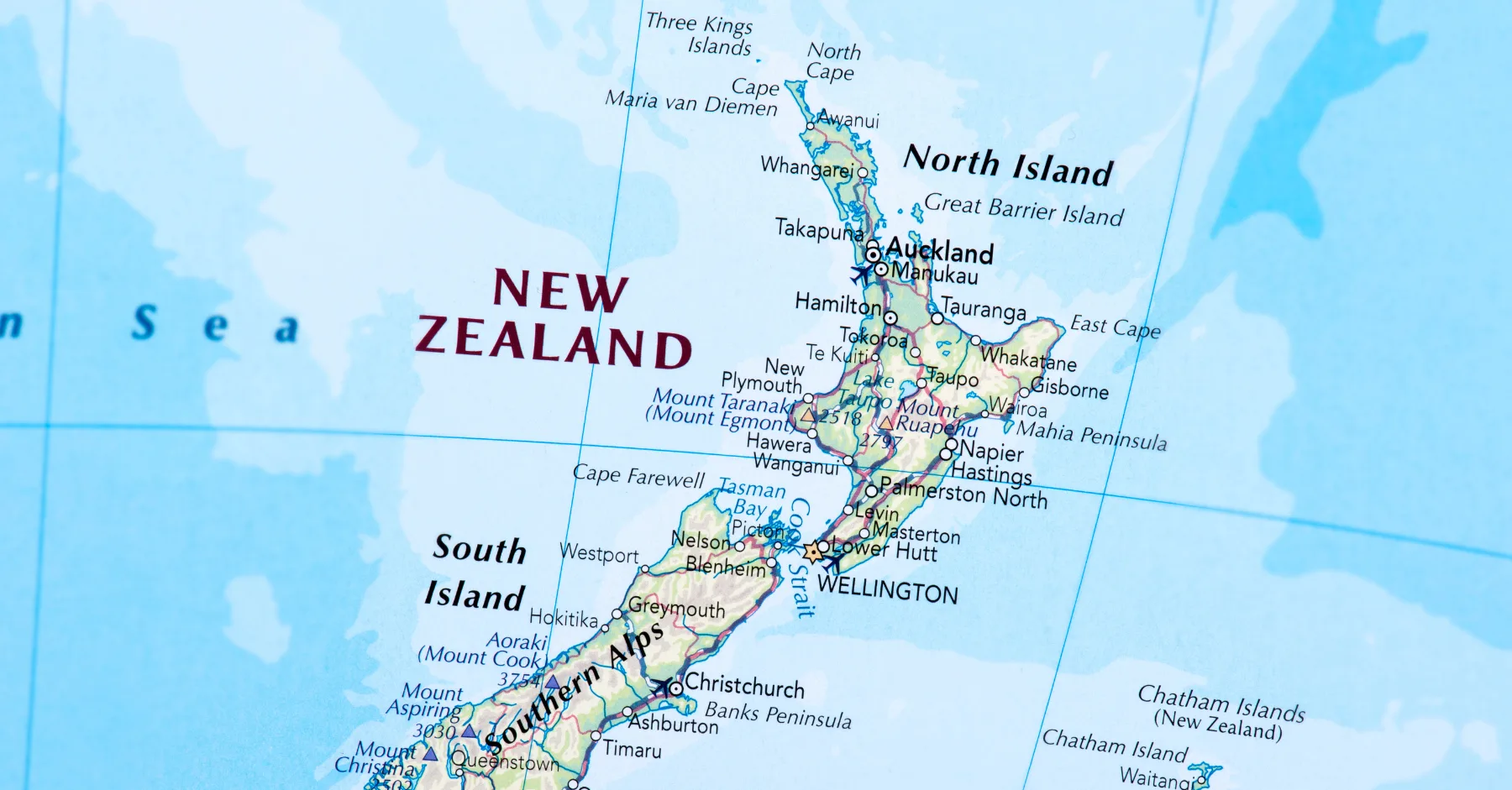
A clothing retailer may promote warm clothing in colder regions and lighter, breathable fabrics in warmer climates. This ensures that their marketing efforts are aligned with the seasonal needs of their customers. Or a chain might advertise local deals for local areas e.g. “$5 coffees for Upper Hutt”.
Psychographic segmentation goes beyond the surface to consider the psychological aspects of consumer behaviour. This includes lifestyle, values, attitudes, interests, and personality traits.
A company selling outdoor adventure gear may target individuals who value fitness, adventure, and nature. By understanding their interests and lifestyle, the company can craft messages that resonate deeply, such as promoting the thrill and health benefits of outdoor activities.
Behavioural segmentation focuses on the behaviour of consumers, including their purchasing habits, usage rates, brand loyalty, and benefits sought.
A software company might segment its market into casual users, regular users, and power users. By offering tailored features, support, and promotions to each group, they can enhance user satisfaction and retention.
Firmographic segmentation is used primarily in B2B marketing and involves categorising businesses based on attributes such as industry, company size, location, revenue, and business structure.
A company providing enterprise software solutions might segment its market based on industry (e.g., healthcare, finance, retail) and company size (e.g., small businesses, mid-sized companies, large enterprises). This allows them to tailor their offerings and marketing strategies to the unique needs and challenges of each segment.
To effectively implement these market segmentation strategies, follow these steps:
Market segmentation is a powerful tool that can help businesses understand their customers better, create more relevant and effective marketing campaigns, and ultimately drive growth and success. By leveraging demographic, geographic, psychographic, behavioural, and firmographic segmentation strategies, you can ensure that your marketing efforts are precisely targeted and highly impactful.
Plug in a specialist marketing team within 24 hours.
Marketing Teams
Think of us as your marketing team on demand. No hiring stress, no rigid contracts, just expert help that is flexi to whatever you need right now.
STARTING FROM
+GST/NZD

RESOURCES & BLOG
Fractional marketing support gives businesses access to senior marketing capability on a part-time or retainer basis, without the commitment of
Marketing retainer rates in New Zealand span an enormous range. This guide explains what each price band buys, how providers

Auckland has no shortage of marketing providers. This guide explains which provider type suits your business, what credible proof of
Book a free discovery call with the team
Real results for real NZ Businesses